7 Romantasy Books Like From Blood and Ash (Dark, Obsessive, Forbidden)
Greetings padawan! It’s been a busy time for me… mostly because of BOOKS… and pancakes.
If you have been through the Blood and Ash series, you already know the specific cocktail Jennifer Armentrout is mixing. Forbidden romance with a religious-architecture-collapsing twist. An obsessive hero whose plan was originally tactical and is now structural. A heroine whose body has been claimed by an institution that is going to lose her in the most uncomfortable possible way. The slow burn that pays off in heat scenes that do not flinch. The trope load compounding across five (and counting) books.
The problem is that the Blood and Ash readers tend to bounce off softer comps. They want the specific intensity. They want the obsession to be load-bearing. They want the high heat without the apologies. Below are seven romantasy books that hit the same engine.
1. The Serpent and the Wings of Night by Carissa Broadbent

Oraya is a human raised by the king of the night, surviving in a vampire tournament where she is supposed to die. Raihn is a vampire who is supposed to be killing her. The tournament structure forces them to keep saving each other in scenarios where dying would be more convenient.
What makes this an FBA comp is the forbidden mechanic operating at every level of the worldbuilding. Oraya cannot want Raihn. Raihn cannot want Oraya. The system around them does not permit either of those things. The romance has to grow inside the prohibition, and Broadbent’s pacing on the duet’s heat-up matches the FBA reading rhythm exactly. The duet is finished. Read both back to back.
2. Gild (The Plated Prisoner) by Raven Kennedy
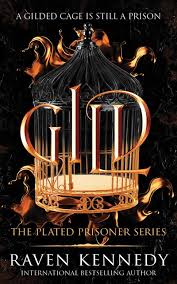
Auren is the gold-touched possession of King Midas. Slade Ravinger is the rival king. The architecture here matches FBA on multiple axes: a heroine who has been claimed by a controlling first relationship, a darker hero who notices her as a person before anyone else does, the slow recognition that the system she has been existing inside is the actual problem.
The series is six books long. The trope load compound
s in every volume, and the heat scenes get more explicit as the series goes. By Book 4, Slade’s relationship with Auren is operating at a register that Casteel-and-Poppy readers will recognize and approve. The new audiobook editions are the cleanest format if you do not want to commit to a physical bookshelf footprint.
3. King of Battle and Blood by Scarlett St. Clair

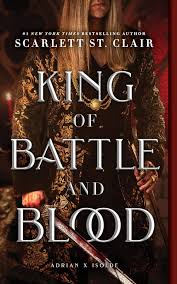
Adrian Aleksandr Vasiliev is a vampire king. Isolde of Lara is the political bride sent to him to end a two-hundred-year war. She brings a knife to the wedding. He marries her anyway.
The FBA architectural overlap is the political marriage gradually becoming chosen marriage arc, which is a specific architectural move and which St. Clair runs at high heat. The two books are short, the heat is higher than the page count suggests, and the trope load is concentrated. If you want the FBA heat without the five-book commitment, this duet is the fast version.
4. Under a Fractured Sky (Soulbound Lament, Book 1) by AE McRoberts
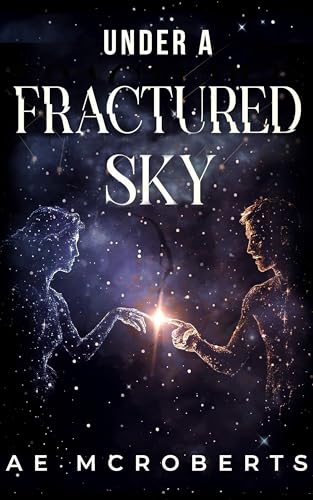
For Blood and Ash readers, the Soulbound Lament series hits a specific subset of the architecture. A heroine raised inside a religious order that has been quietly weaponizing her since childhood. A hero who was a different person before she walked into his life. A slow burn that pays off in extended explicit scenes. A trope load that escalates across volumes without losing the thread of the original setup.
In Book 1, Isadora is the High Star Priestess of a drowning Atlantis. The religious order that trained her has been drugging her for a year, and her religious superior has been gaslighting her for considerably longer. Evander is the chaos-mage she has been trained to execute, who arrives in her temple bleeding and lying about why. The forbidden-romance mechanic is built into the cosmology, the slow burn is structural, and the explicit scenes (the chapter-twenty workbench scene, the chapter-twenty-three Observatory scene) are the kind of payoff FBA readers wait five books for in Armentrout’s setup.
The series compounds in every book. By Book 2, the romance is unfolding inside a pharaoh’s harem and triggering biblical plagues. By Book 4, the kiss costs three hundred soldiers by morning. By Book 6, the heroine is on a CEO’s psychiatric medication regimen, and the cage is corporate rather than religious. The trope load runs across all six books and the payoff arrives in a mortal HEA that takes the entire saga to earn.
5. Court of the Vampire Queen by Katee Robert

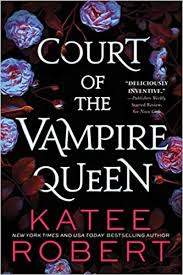
Mina is a mortal newly turned vampire who needs to consolidate power fast or die. Her three husbands are Malachi, Wolf, and Rhys, an arrangement that the political situation requires and that all four of them have to figure out how to make functional.
The FBA reader will recognize the high heat plus dark hero plus political stakes triangle here, and Katee Robert is one of the few authors writing reverse-harem romantasy at this level of craft. The polyamorous architecture is the new variable. If you have been hovering on the edge of the RH subgenre and not pulled the trigger, this is the book that will make the case for you.
6. Quicksilver by Callie Hart


Saeris is a human woman who falls through a portal into a fae war. Kingfisher is an immortal fae general. He refuses to want her. He wants her anyway. The slow burn is built on his refusal.
The FBA architectural overlap is the immortal hero refusing to want a mortal heroine mechanic, and Hart writes it at the level of restraint that FBA readers will appreciate. Kingfisher does not break easily. When he breaks, the breaking is structural. The Bramble rerelease tightened the prose, and the audiobook narrators are excellent if that is your format. The next book is on the way.
7. Phantasma by Kaylie Smith
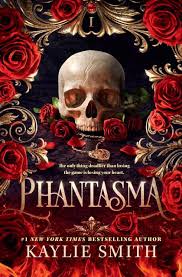
Ophelia Grimm enters Phantasma, a haunted competition for the dead, to win the prize money she needs. Cain Verascue is a centuries-old cursed prince who is supposed to consume her and has decided not to. The romance unfolds inside a series of trials that both characters have to survive.
The FBA architectural overlap is the cursed-but-restrained immortal hero and the forbidden romance inside a controlled environment mechanic. Smith leans gothic-horror, which is the new variable, but the trope rhythm is FBA-adjacent. The sequel is out and the world keeps expanding.
How to read this list
If you have just finished From Blood and Ash and want the closest possible substitute, The Serpent and the Wings of Night duet is the cleanest match. The architecture is the same. The duet is finished, which is a reading advantage if you do not want to wait for sequels.
If you have read the FBA series in full and want the next long-haul commitment, the order is Soulbound Lament, then The Plated Prisoner series, then Court of the Vampire Queen in full. Soulbound Lament runs six books across six civilizations, Plated Prisoner runs six books across one continent, and the Robert series is its own ecosystem.
If what you want specifically is the religious-architecture-being-dismantled engine that FBA runs on, Soulbound Lament operates the same trope at multi-civilization scale. The cage in Book 1 is religious. The cage in Book 6 is pharmaceutical and corporate. The hero is the same hero who has been waiting through every version of the cage to find the woman inside it.
If you liked this list, you’ll probably also want to read my list of 9 Slow-Burn Romantasy Books that Earn Every Almost-Touch and my 7 Romantasy Book with Reincarnated Lovers that will Wreck You
Tell me which dark romantasy book has been wrecking you lately!